
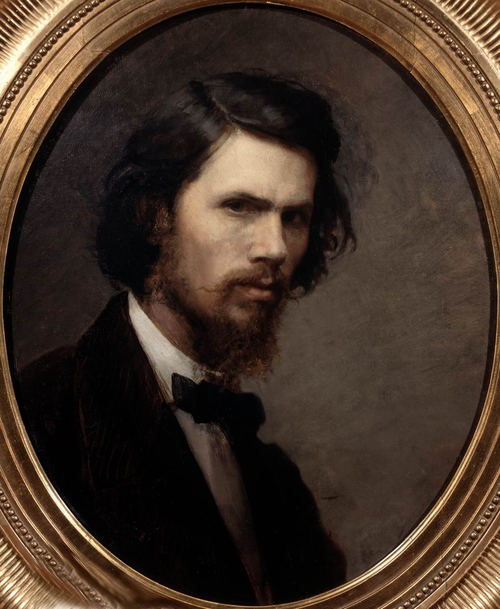
A master of the Realist movement and a leading figure of the Peredvizhniki (The Wanderers) in 19th-century Russia, Ivan Kramskoy (1837–1887) revolutionized art by prioritizing psychological depth over academic rigidity. Trained at the Imperial Academy of Arts before famously leading the "Revolt of the Fourteen," Kramskoy was a protege of no single patron but rather a champion of the people’s soul. His works, such as the haunting Christ in the Desert and the enigmatic Unknown Woman, are defined by their intense emotional clarity and masterful use of light and shadow. Translating a Kramskoy painting into a counted cross stitch design allows you to engage with the profound introspection of the Russian soul. Each stitch captures the subtle textures of velvet, the somber tones of a contemplative landscape, or the piercing gaze of a portrait subject, turning your needlework into a deeply meditative exploration of human dignity and emotion.