
Unfinished Cross Stitch Projects: When to Quit or Push On
Posted by Tracey Kramer on 27th Jun 2017
A Note from Tracey Kramer
I kept a ruined castle on my frame for the better part of a decade. If you have a WIP collecting dust right now, this one is for you — no judgment, just honesty.
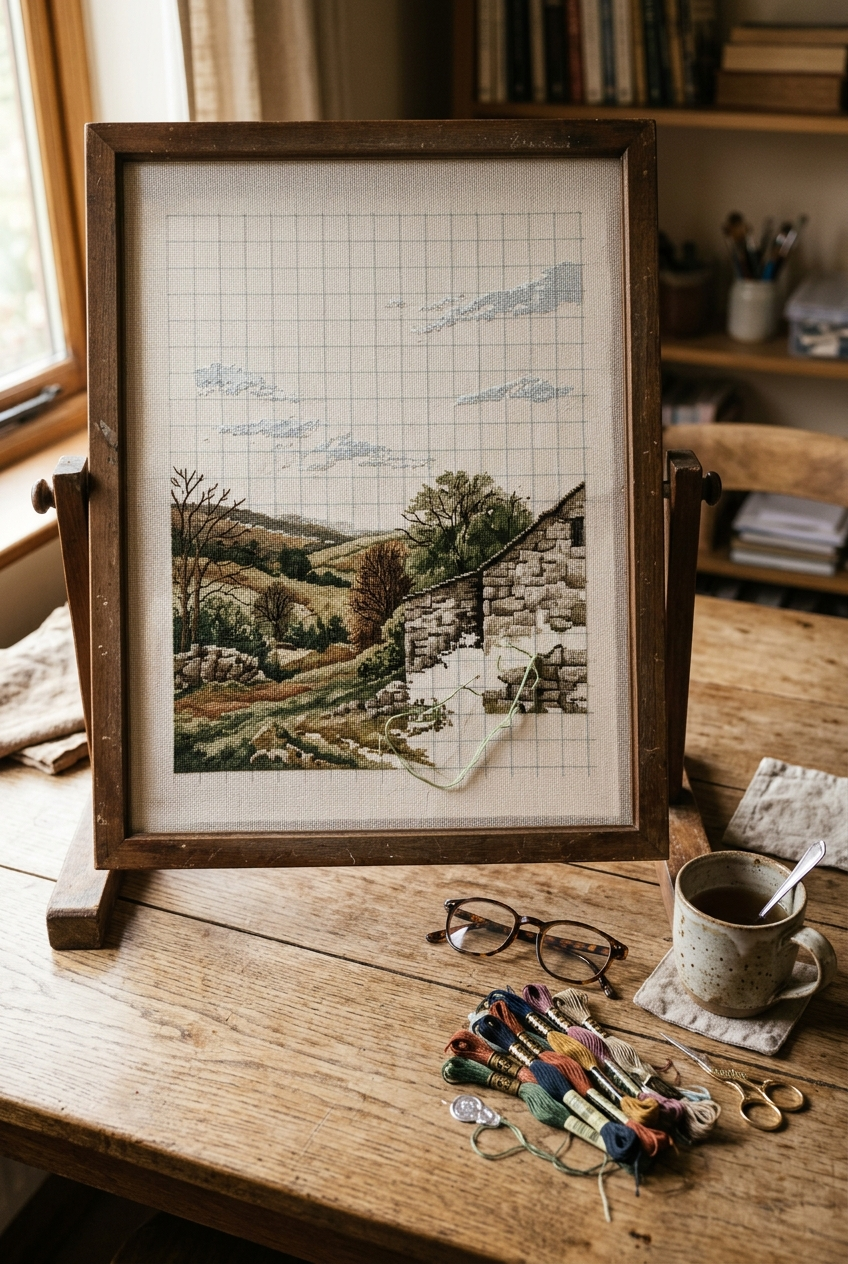
Unfinished cross stitch landscape on a frame beside cold tea and tangled floss skeins on a wooden table
By Tracey Kramer • • 12 min read
There is a cross stitch confession I have been sitting on for a long time, and I figure it is finally time to just say it out loud. I had a project — a large, beautiful counted cross stitch pattern of a ruined castle sitting off in the distance, dramatic sky, crumbling stone walls, the whole romantic thing — and it sat on my frame for somewhere between eight and ten years. Eight. To. Ten. Years. I am not proud of it. But I am also not going to pretend it didn't happen, because I know for a fact I am not the only one.
If you are reading this with a half-finished project hanging on your wall or shoved in a drawer or sitting in a bag you haven't opened since the last time you moved, I want you to know two things. First, you are in very good company. Second, that project is not a personal failure — it might just be a project that needs a decision. And making a real, honest decision about it is exactly what this article is about.
What happened with my castle taught me more about how I stitch, what I should never agree to again, and how to come back from a creative dead stop than almost any other experience in thirty-plus years of this craft. So let me walk you through all of it — the slow unraveling, the guilt, the options I wish someone had laid out for me clearly, and what finally set me free.
The Castle: Blended Colors, A Checkerboard Sky, and Eight Years of Regret
Let me paint you the full picture of how a project dies slowly. I purchased this ruined castle pattern because it was stunning. The kind of design that stops you cold in a shop — all moody atmosphere and fine detail. I was excited. I bought it, I got my supplies together, I started stitching. And for a while, it was going well.
But I had made not one, not two, but three mistakes right out of the gate, and I didn't fully recognize any of them until it was almost too late. The first mistake was the size. This was a large pattern. Large patterns demand a serious time commitment, and if you're not mentally prepared for the marathon — not just the sprint — you will eventually hit a wall. I hit mine around year two.
The second mistake was the blended colors. I cannot stress this enough: a blended color pattern is not the same animal as a solid color pattern. When you are blending, you are threading your needle with two or more strands of different floss colors to create a subtle, mixed tone. It creates a gorgeous effect in the finished piece. It also doubles or triples your working time because you can't just grab your next color and go — every change requires more thought, more threading, more checking the chart. On a large pattern, that compounds into something genuinely exhausting. I learned this the hard way so you don't have to.
The third mistake was my stitching method. I had been confining my work to one 10x10 grid square at a time, finishing each box completely before moving to the next. On the surface, this seems logical — it's organized, it's tidy. The problem is that it leaves visible seam lines between the grid sections, especially in large areas of light, uniform color. And the sky on this castle pattern? Mostly pale, soft, open sky. The checkerboard effect spread across it like a visible grid map, and once I saw it, I could not unsee it. Every light section showed the patchwork where I had stitched box by box instead of letting the color flow naturally across the canvas.
If you are still early in a large project and you recognize this problem, there is a fix — stitching randomly and following the symbol across the full canvas rather than containing yourself to grid squares. I cover this in detail in my article on where to start a large cross stitch pattern — go read that if you're still early enough to course-correct. But if you're three years in with a checkerboard sky and a blended color situation that has drained your joy? That article won't undo what's already stitched. That's where a different kind of decision comes in.
How a Beloved Project Becomes a Dust Magnet
Here is what the slow death of a WIP actually looks like, because I lived it. It doesn't happen all at once. You don't wake up one morning and decide you hate the project. It erodes. You stitch steadily for a while, then life gets busy and you skip a week. Then two. Then you pick it up once in a month and feel vaguely guilty about that. Then once in three months. Then you stop picking it up at all, but the frame is still there, and every time you walk past it, your eyes slide away from it like your brain doesn't even want to acknowledge it anymore.
That frame sitting in the corner stops being a project and starts being a monument to an unfinished thing. Some people hang it on the wall because at least then it looks intentional. Some people shove it in a closet because out of sight is easier than the daily reminder. I kept mine out, which meant I walked past that castle — that beautiful, maddening, blended-color checkerboard castle — for years, feeling a low-grade stab of guilt every single time.
Nobody really talks about the emotional weight of an unfinished project, but it is real. Stitching is supposed to be peaceful. It's supposed to be the thing you do to decompress, to create, to have something just for yourself. When a project turns into an obligation you're behind on, it stops being any of those things. It becomes stress in needlework form. And that is no good for anybody.
The guilt is compounded by the investment — the money spent on the fabric and floss, the hours already poured in, the vision you had for what the finished piece would look like. Walking away feels like wasting all of that. But here's what I eventually had to admit: continuing to feel guilty about it every day for years is also a cost. It's just paid in a different currency.
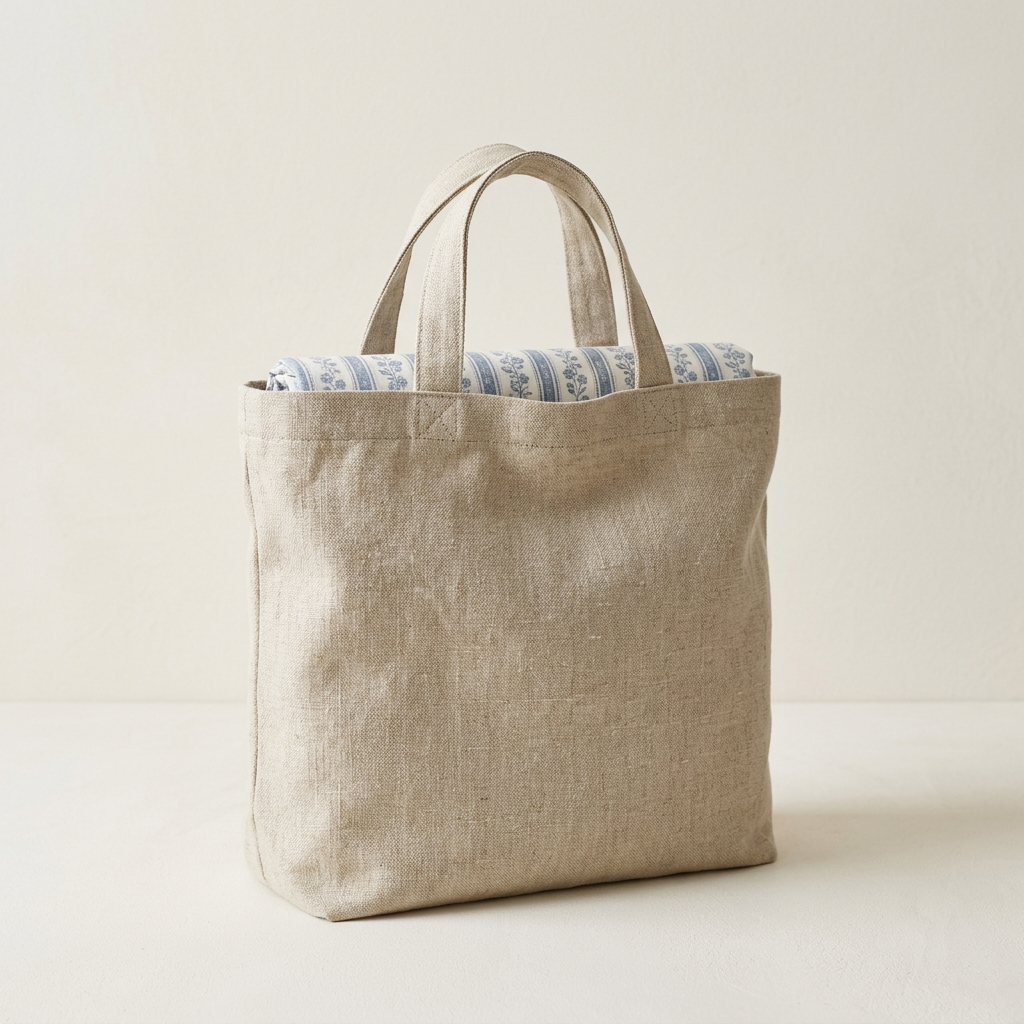
Tracey Recommends
Cross Stitch Project Bag — The Right Way to Pause a WIP
If you're not ready to fully close the book on a stalled project, archive it properly instead of shoving it in a corner. A good cross stitch project bag keeps your fabric, floss, and chart protected and organized — so you're not throwing away your investment, you're just pressing pause with dignity. Out of sight, out of guilt.
See on AmazonThat frame in the corner stops being a project and starts being a monument to an unfinished thing. The failure isn't in setting it down — it's in staying in the purgatory of almost-working-on-it forever.
The Three Honest Options for a Stalled Project
When I finally got honest with myself about the castle, I realized there were really only three choices in front of me. Not two, not four — three. And each one is legitimate. None of them is failure. The failure is in refusing to pick one and continuing to limp along in the purgatory of almost-working-on-it.
Option one is to push through. This works — but only under a specific condition. It works when the problem is a technique issue, not a fundamental pattern problem. If you've been stitching your grid squares in isolation and creating a checkerboard effect, and the pattern itself is otherwise manageable and still exciting to you, fixing the method and pushing forward might be exactly right. If your project stalled because life got in the way for a season, not because the pattern is wrong for you, pulling it back out and recommitting is a completely valid choice. Get it out of the bag, put it back on the frame, sit down with it and give it real time. Sometimes that's all it needs.
Option two is to restart from scratch — same pattern, lessons applied. This is actually what I decided to do with the castle, eventually. My plan is to stitch it again on a fresh canvas, this time using solid colors instead of the blended color nightmare, and this time stitching randomly across the full piece instead of grid by grid. I want to see the difference with my own eyes. When I compare that fresh piece to the original, I expect to find a significant improvement — and I think that side-by-side will be one of the most educational things I've ever done in thirty years of stitching. If you love your pattern but your execution let you down, don't throw the design away. Set aside the current piece, archive it properly, and come back to it with everything you now know.
Option three is to consciously close the book. Not abandon — close. There's a difference. Abandoning is what happens when you shove something in a corner and feel guilty forever. Closing the book is a decision. You look at the project, you acknowledge what it taught you, you decide this one is not for you anymore, and you make peace with that. The floss goes back to stash. The fabric gets assessed. The frame opens up for something new. You don't owe any project your joy indefinitely.
For the projects you're closing the book on but aren't quite ready to fully let go of, consider tucking them into a proper cross stitch project bag (find on Amazon) — organized, protected, and most importantly out of your daily line of sight. Out of sight really can mean out of guilt, at least until you know whether you want to return to it someday. I'll link a good option in the product cards below. But if you are closing the book and you know it — let it go with grace and no apologies.
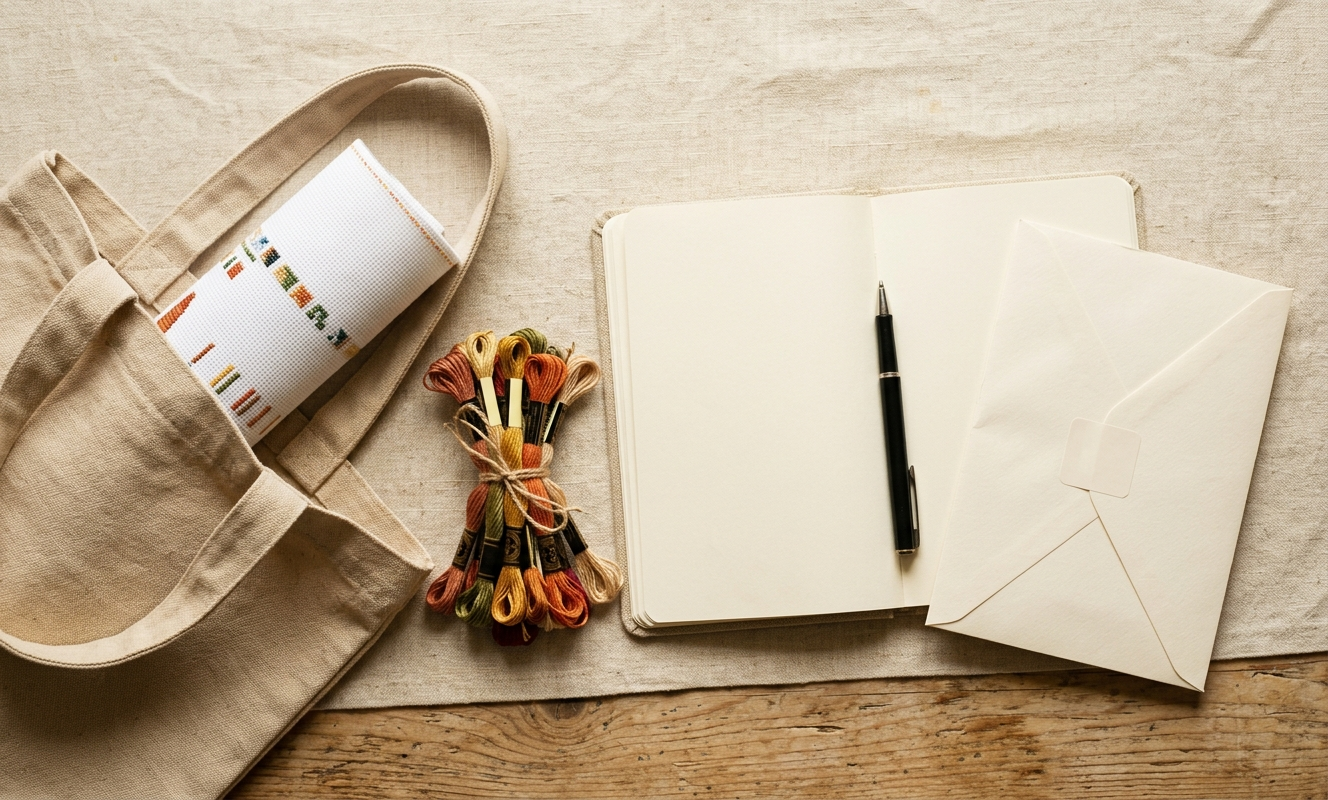
Open cross stitch project bag beside freed floss bobbins, blank notebook, and sealed new pattern chart on cream wood surface
How to Actually Make the Call
So how do you decide which of those three options is yours? You have to ask yourself some very specific questions, and you have to answer them honestly — not the way you wish the answers were, but the way they actually are.
Start here: Is this a technique problem or a pattern problem? A technique problem — checkerboard effect, tension issues, confusing stitching order — is fixable. You can learn what you didn't know then and apply it going forward. A pattern problem is different. If the pattern itself doesn't speak to you anymore, if you chose it because it was on sale or because someone gave it to you rather than because you genuinely loved it, that's harder to push through. Motivation for a large project has to come from somewhere real, and if the design was never really yours, that well runs dry fast.
Next: Was this a skill mismatch? I chose a large, blended color pattern when I didn't fully understand what blended colors would do to my timeline and my enjoyment. That wasn't a character flaw — it was an information gap. I simply didn't know yet what I know now about blended colors versus solid colors in cross stitch and how that choice multiplies your time and complexity. Understanding what actually stalled the project — technique, information, life circumstance, or genuine disinterest — is the only way to make a decision you won't second-guess. If I hadn't diagnosed my castle problem correctly, I would have made the same mistakes on the next big project.
Then ask yourself: Am I a not-a-finisher, or is this project specifically not working? This is the most important question and the one people most often get wrong. They abandon a project that wasn't right for them and then conclude that they can't finish anything. That is not the same thing. I am a finisher. I have finished dozens of pieces over thirty years. That castle was not a reflection of my commitment to the craft — it was a specific mismatch of pattern, technique, and timing. Separate those two things cleanly and you'll make the right call.
Finally: What would picking this back up actually cost you in joy right now? If the answer is that even thinking about it makes you feel heavy, that's information. God gave us this craft as a gift — the peace of it, the creativity, the satisfaction of a finished piece. When a project is stealing that peace instead of adding to it, something needs to change. A seam ripper (find on Amazon) and some honest stitching time can fix a technique problem. But nothing can fix a project that has become a source of dread except a real decision.
|
Patterns from the Sunrays Collection Tracey's Picks, designing cross stitch patterns since 2004 |
|||||
|
|||||
| Browse the full Sunrays collection → |



What a DNF Actually Frees — and the Fresh Start That Changed Everything
When I finally made the decision to set the castle aside and start something new, the relief was immediate and I was not prepared for it. I hadn't realized how much that project had been sitting on my creative life like a stone. The moment I gave myself permission to move on — at least for now — something lifted.
I chose a portrait of a mother and child as my fresh start. No blended colors. A solid color pattern all the way through. And I committed from day one to stitching randomly — following the symbol across the canvas wherever it led me rather than boxing myself into grid squares. That choice alone changed the experience. The piece grew organically. The colors flowed into each other the way they're supposed to. And I stitched it at a pace I hadn't matched in years, because the joy was back.
That fresh start did something else, too — it freed my floss. When you set a project aside or close the book on it, all those organized bobbins and skeins that were committed to that one piece become available again. If your floss storage is already a point of chaos, this is actually a great moment to reorganize everything properly so the freed colors find a real home and don't just migrate to a pile. I have a full article on cross stitch floss storage that walks through how I keep my stash organized — worth a read when you're resetting.
The frame opened up. The guilt lifted. And I found myself genuinely excited to sit down and stitch again, which is the whole point. That excitement is not a small thing — it is the reason we do this at all. If a DNF decision is what it takes to get it back, then making that decision is not quitting. It is protecting your love for the craft.
If you are ready for a fresh start pattern and you want something manageable — something with clean solid colors, a satisfying size, and no blended color surprises — browse through the Sunrays Creations catalog. I design every pattern myself, and I know what it feels like to need a win. Whether you want something small enough to finish in a weekend or a new project that will grow with you, there is something there for the fresh chapter you're starting. If you're on the fence about a cross stitch kit for beginners (find on Amazon) to rebuild your confidence, those are listed in the product section below — a complete kit with everything included so you can just sit down and stitch without decisions.
Get Stitching Tips & New Patterns from Tracey
Honest advice, new Sunrays designs, and occasional VIP-only offers. No fluff.
No spam. Unsubscribe any time.
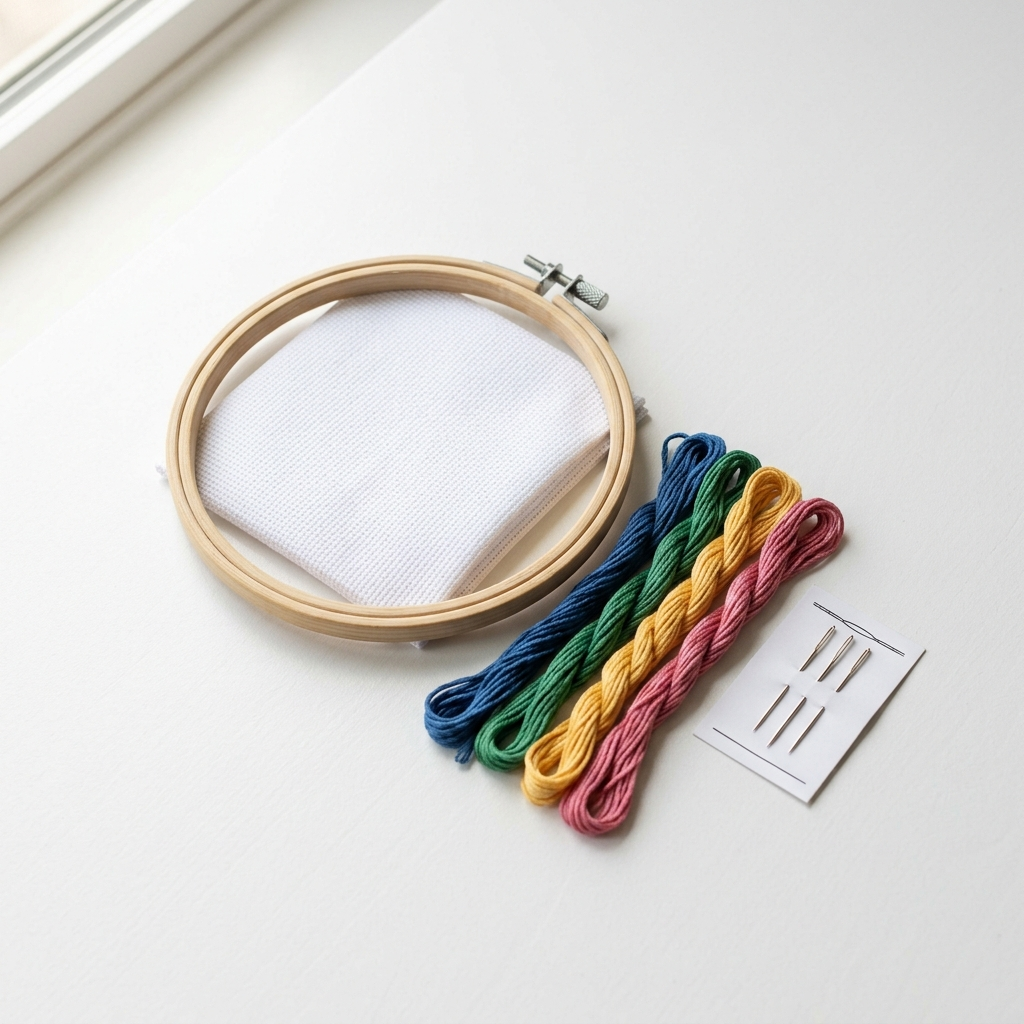
Fresh Start Pick
Beginner Cross Stitch Kit — Fall Back in Love with the Craft
When you need a win, you need a manageable pattern with solid colors, a clear chart, and everything in one box. A complete cross stitch kit for beginners — hoop, Aida cloth, floss, needle, pattern included — is the lowest-friction way to sit down tonight and remember why you love this. No blended colors. No complicated decisions. Just stitch.
See on AmazonMaking a tough call about an unfinished project is one of the most freeing things you can do for your creative life — and it is absolutely not the same as giving up on the craft. If you are ready to start something new and you want a pattern designed with love and stitched-in experience behind every symbol, come browse the Sunrays Creations shop. I have been designing these patterns since 2004 and I chart every one by hand — there is something there for wherever you are in your stitching journey.
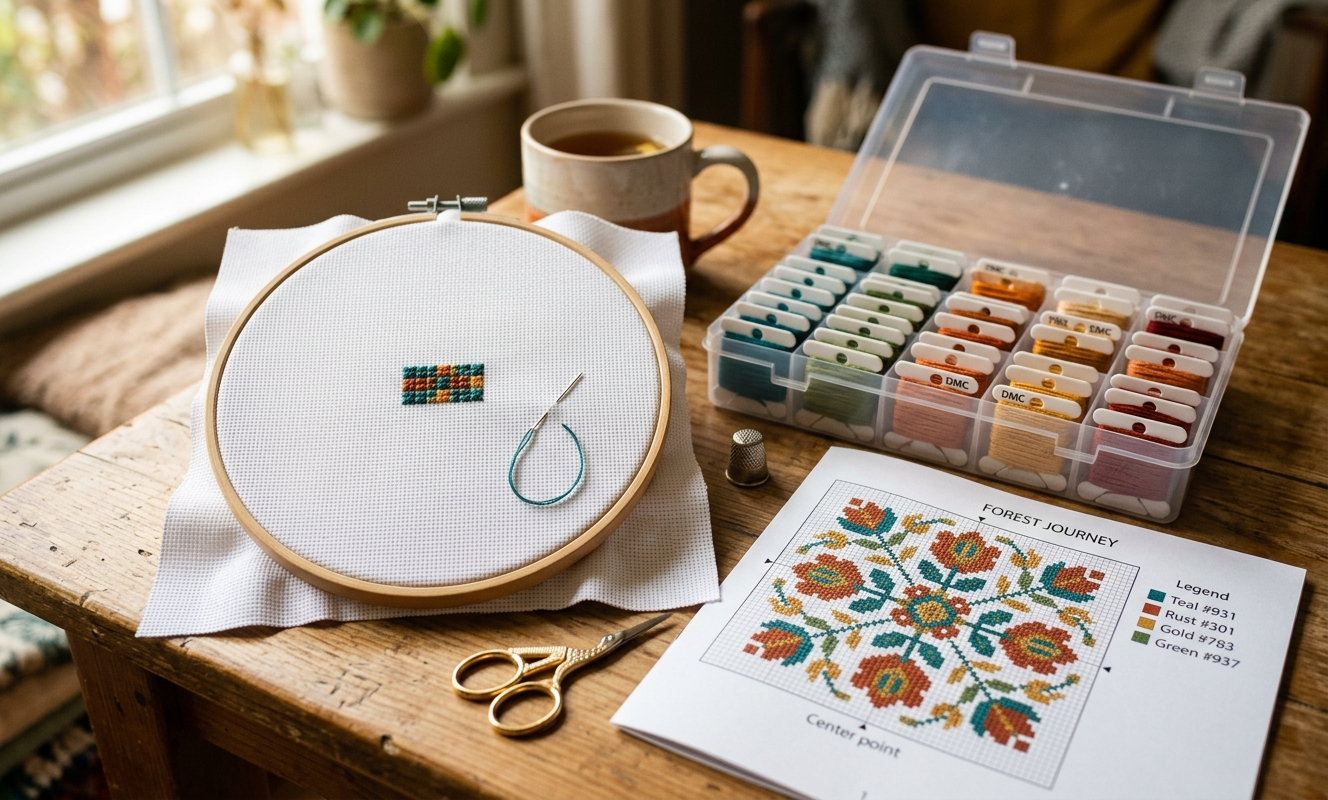
Fresh cross stitch project started on clean white Aida in a wooden hoop beside organized floss bobbins and open pattern chart
Keep Reading
Where to Start a Large Cross Stitch Pattern
The checkerboard effect is preventable — if you catch it early enough. This guide covers exactly how to start and navigate a large pattern so you never end up with visible grid lines in your sky.
READ THE GUIDEBlended Colors vs. Solid Colors in Cross Stitch
Blended colors were half of Tracey's castle problem. Before you commit to your next large project, understand exactly what the blended color choice costs you in time and complexity.
READ THE ARTICLECross Stitch Floss Storage
When you DNF a project, all that freed floss needs a real home. This guide covers how Tracey organizes her stash so nothing gets lost and every bobbin is findable the next time you need it.
READ THE GUIDEFrequently Asked Questions
Is it okay to quit a cross stitch project you've been working on for years?
Yes — and there's a difference between abandoning something and consciously closing the book. As covered in the body of this article, making a real decision is healthier than years of guilt. None of the three options (push through, restart, or close the book) is failure.
What causes the checkerboard effect in cross stitch?
Stitching one 10x10 grid square at a time leaves visible seam lines between sections, especially in light-colored areas. The fix is stitching randomly across the full canvas — covered in detail in the linked where-to-start guide.
Why do blended color cross stitch patterns take so much longer?
Blended colors require threading two or more different floss colors together on every needle change, which adds significant time and decision-making to every step. On a large pattern, that can double or triple your total stitching time.
How do I decide whether to restart or abandon a stalled cross stitch project?
Ask whether the problem is a technique issue (fixable) or a pattern mismatch (harder to push through). The framework in this article — is it the pattern, the skill level, or a technique problem — helps you separate the project from your identity as a stitcher.
What should I do with an unfinished cross stitch project I'm not ready to throw away?
Archive it properly in a cross stitch project bag — fabric, floss, and chart together and protected. As noted in the article, out of sight genuinely can mean out of guilt until you decide whether to return to it.
What's the best way to get back into cross stitch after a long break?
Start fresh with a manageable solid-color pattern, not a large blended-color project. Tracey's fresh start with a mother-and-child portrait — and the cross stitch kit for beginners option in the product section — are both designed to rebuild momentum and bring the joy back.
-- Tracey Kramer
Founder & Designer, Sunrays Creations Needlearts
Hand-charted designs since 2004 • Marysville, Ohio