
Cross-Stitch Home Decor Ideas That Transform Your Space
Posted by Mekaila Oaks of Redfin on 19th Apr 2021
A Note from Tracey Kramer
I have been designing cross-stitch patterns since 2004, and in that time I have watched my customers turn finished pieces into gallery walls, wedding gifts, nursery keepsakes, and memorials for people they loved. This guide is everything I know about making cross-stitch the most meaningful thing in your home.
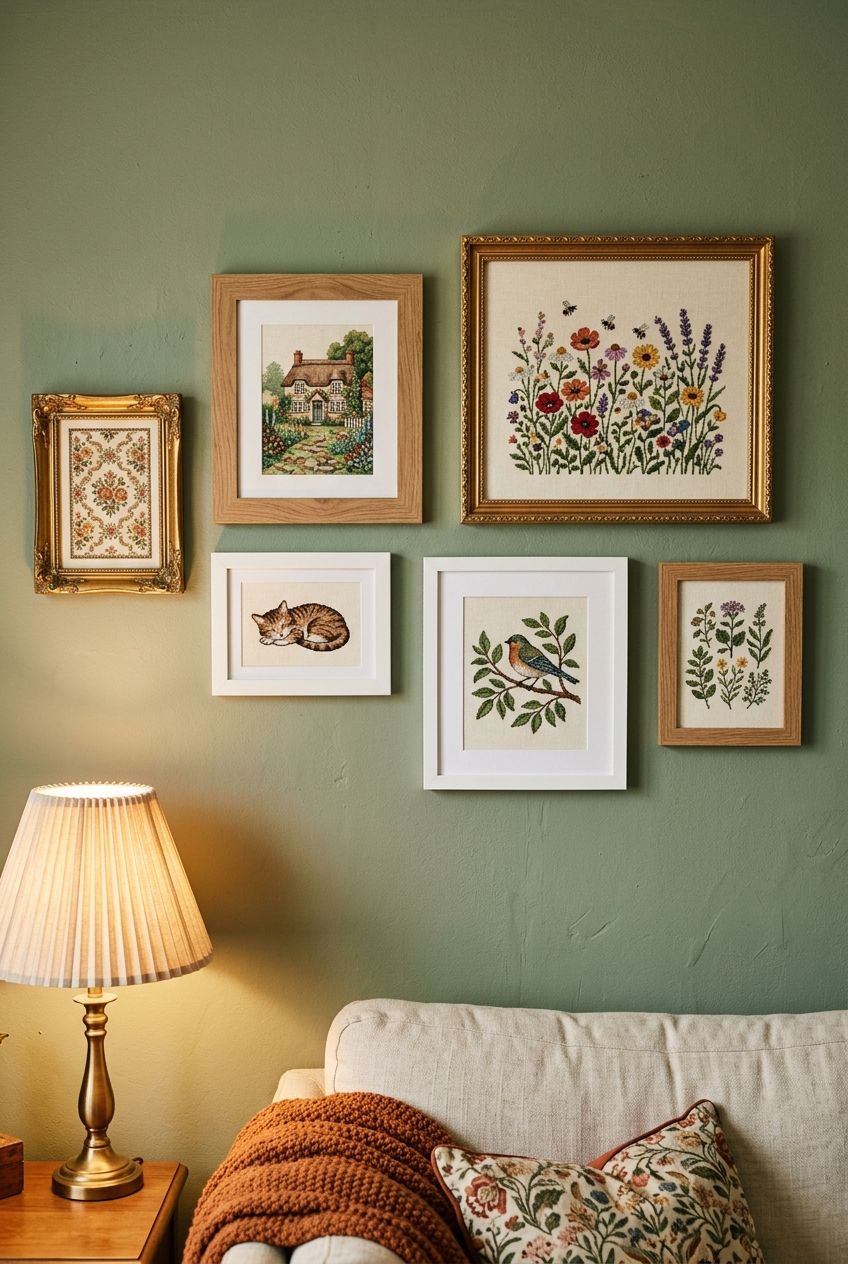
Gallery wall of framed cross-stitch pieces in gold and wood frames on sage green wall above cream sofa
By Tracey Kramer • • 12 min read
Walk into any big box store or scroll through any mass-market home décor site and you will find the same things: the same farmhouse signs, the same abstract prints in the same three color palettes, the same words in the same fonts on the same canvas. Nothing wrong with any of it. But nothing stops you mid-step, either. Nothing makes a guest pause and say, 'Wait — did someone actually make that?' That is the thing about a hand-stitched piece on your wall. It is the only thing in your entire home that no one else on earth has. Not your neighbor. Not the family across town with the same sofa and the same throw blanket. Nobody. That piece is yours because someone put actual hours into it, one stitch at a time.
I have been designing counted cross-stitch patterns since 2004 — animals, botanicals, Victorians, holidays, samplers — and I have been stitching for thirty years before that. In all that time, the thing that keeps striking me is how a finished piece changes a room. Not in the way a new lamp changes it, but in the way a photograph of your grandmother changes it. It adds presence. It adds story. It adds the unmistakable feeling that a real human being cared enough to sit down and make something beautiful with their hands. That is what this guide is about. Not trends. Not decorating rules. Just everything I know — from twenty years of designing patterns that end up in people's homes — about how to use cross-stitch to make your space genuinely, unmistakably yours.
There has been a lot of talk in recent years about the grandmillennial style revival bringing needlework back into interior design conversations. And yes, that trend is real and I am happy it exists. But I want to be honest with you: cross-stitch never needed a trend to justify itself. It has been beautiful for centuries. It has been passed from grandmother to granddaughter, stitched by candlelight and by lamplight and by the glow of a television, framed and gifted and hung above fireplaces in every kind of home you can imagine. The trend just reminded people to look at it again. Good. Now that you are looking — let me show you what to do with it.
Cross-Stitch Is the Statement Piece Your Home Has Been Missing
I want to tell you about a specific moment that I have heard described by my customers more times than I can count. Someone comes to visit. They walk into the living room or the bedroom or the hallway and they stop. Not because something is loud or dramatic, but because something is real. They lean in. They look closer. They say some version of the same sentence: 'Wait — you made that?' And the person who stitched it — maybe they spent forty hours on it, maybe a hundred — gets to say yes. That moment is worth more than any piece of art you could hang from a gallery. It is the 'wait, you made that?' moment, and it is the through-line of every single piece of needlework décor I have ever designed or hung or gifted.
The grandmillennial style movement — that glorious return to the maximalist, collected, unabashedly sentimental aesthetic of our grandparents' generation — gave cross-stitch a very public moment in the spotlight starting around 2020. Suddenly design writers were talking about needlework the way they talk about mid-century modern or Scandinavian minimalism. And I understood why it felt new to them. A generation had grown up with the idea that handmade meant old-fashioned, that ornate meant dated, that a sampler on the wall meant you were not keeping up with the times. The grandmillennial trend blew all of that up. It said: the things our grandmothers loved were actually beautiful. The lace curtains. The china patterns. The embroidered pillows. The stitched samplers. Beautiful. Full stop.
But here is what I want you to understand from twenty years of being inside this craft as a designer: the pieces that resonate in a home are not the ones that chase a trend. They are the ones with a story. A botanical sampler stitched over the course of a winter. A family name piece worked in colors pulled from the living room quilt. A small floral design that matches nothing in the room and yet belongs there completely because the person who stitched it loves flowers and this is her home and that is enough reason. Mass-produced wall art says nothing about the person who lives in the house. A cross-stitch piece always says something. That is the irreplaceable thing it brings to any room.
I also want to say something about texture, because it gets overlooked when people talk about cross-stitch as décor. A framed cross-stitch piece has actual physical dimension. The stitches sit above the fabric. The light catches them differently at different times of day. In the morning, a piece by a bright window looks one way. In the evening with a lamp lit, the same piece looks entirely different — warmer, richer, more alive. No printed canvas does that. No photo print does that. It is one of the things I noticed when I first started framing my own work and hanging it, and it is something I still notice thirty years in. Cross-stitch brings texture to a wall in a way that nothing flat can match.
Start With the Walls: Framed Cross-Stitch as Fine Art
If you are new to decorating with your finished work, start with the walls. Framed pieces are the backbone of cross-stitch home décor, and they are also where most people feel the most confident. The biggest mistake I see? One lonely framed piece on a big wall. One piece looks like you forgot to finish decorating. Five pieces arranged with intention look like a collection. They look like someone who knows what they love and is not apologizing for it. A gallery wall of cross-stitch pieces — different sizes, different subjects, different frame styles — is one of the most striking things you can do with a blank wall, and every single piece in that grouping can be something you made yourself.
The framing choices matter more than most people think. You do not have to match frames. In fact, I would argue that you should not match them. Mix an ornate gold frame with a clean white one with a natural wood one. The variety in the frames mirrors the variety in the stitching — different threads, different textures, different designs — and the whole arrangement feels collected and intentional rather than matchy-matchy and stiff. The one thing I would ask you to pay attention to is the mat. Do not try to match your mat color to your thread colors. Instead, match the mat and frame combination to your room's existing color palette. Let the room set the backdrop, and let the stitching pop against it. A warm cream mat with a natural oak frame works in almost any room and never fights with the stitching.
For dimensional pieces — anything with beading, specialty stitches, or significant texture — please do yourself a favor and get a shadow box rather than a standard frame. A standard frame presses the glass right up against the fabric and flattens every bit of dimension you worked so hard to create. A deep shadow box gives the piece breathing room. The glass sits well above the surface of the fabric. In the right light, you can see every bead, every specialty stitch, every textured element standing proud. That is the frame you buy for the piece you are most proud of — the one that took six months, the one you are not sure you can part with, the one that deserves to look gallery-quality on your wall. I recommend going deep enough that the fabric never touches the glass under any circumstances, even if the piece shifts slightly over time. When you are shopping, look for a deep shadow box frame cross stitch (find on Amazon) specifically rated for needlework display — the depth really does make all the difference.
Hoop framing deserves its own mention because it has become genuinely popular and genuinely works. A finished piece left in a clean wooden embroidery hoop — trimmed neatly around the back, maybe with a little bow of ribbon at the top — is a casual, modern, affordable way to hang your work. It is intentionally informal. It says 'I made this and I am not overthinking the presentation.' For smaller pieces, especially florals and botanicals, I think hoop framing is charming. It also works beautifully grouped: three or four different-sized hoops on a wall, each with a related botanical or animal subject, arranged in a loose cluster. For larger or more formal pieces — a sampler, a portrait, a wedding piece — I still prefer a proper frame. But do not let the idea that you need perfect framing stop you from hanging your work. A clean hoop is better than a finished piece sitting rolled in a drawer forever.
One practical tip I give everyone when they are arranging multiple pieces for a gallery wall: lay everything on the floor first. Bring the frames, the hoops, whatever you are working with, and arrange them on the floor in front of the wall you are planning to use. Step back. Live with it for a day. Move pieces around. Once you commit to nails, you are committed — so find the arrangement you love before you pick up the hammer. I have re-hung the same groupings three times before landing on something I loved, and I have never once regretted taking the extra hour to get it right on the floor first. If you want a full step-by-step guide to framing your finished work beautifully, I have written a detailed guide on how to frame cross-stitch projects that covers everything from stretching to glass choice to archival backing.
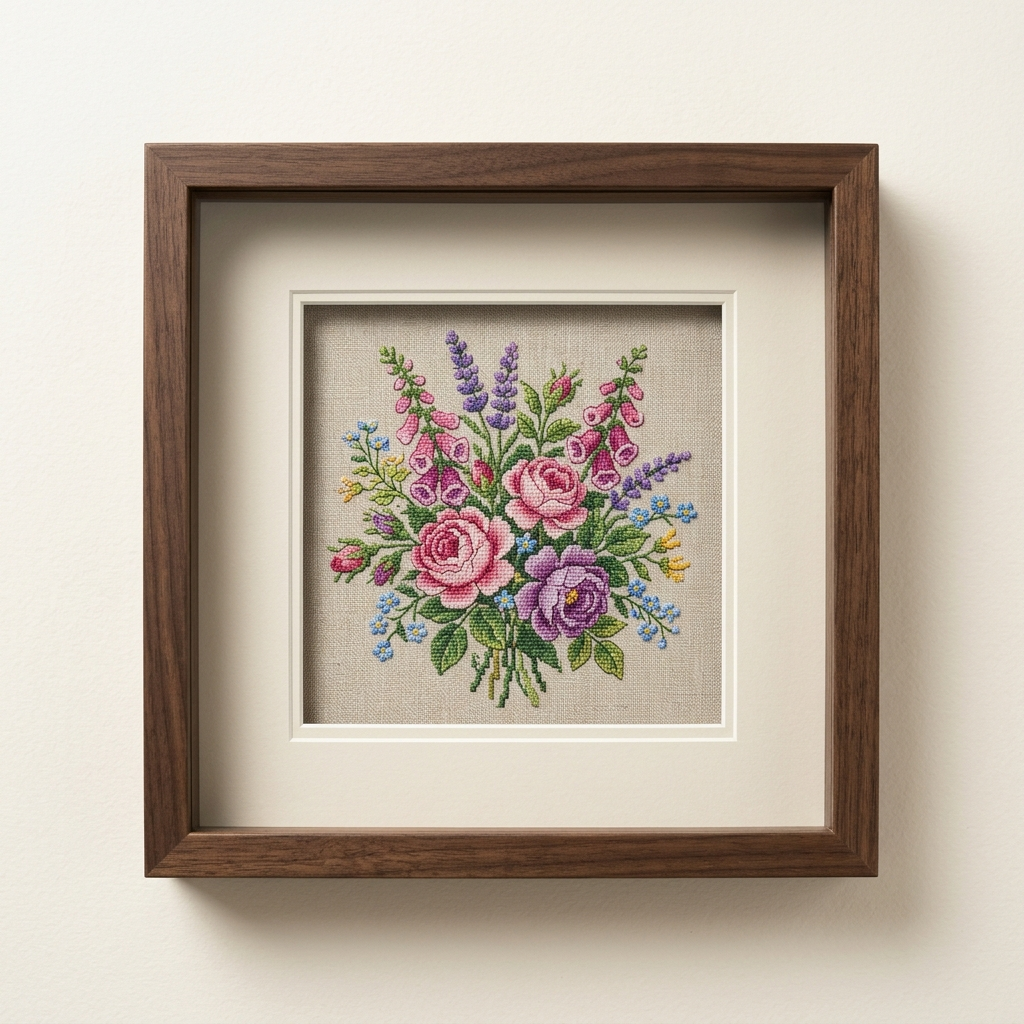
Tracey Recommends
Deep Shadow Box Frame for Cross-Stitch Display
A standard frame flattens your finished work against the glass and kills every bit of dimension you stitched into it. A deep shadow box gives your piece real breathing room — the glass sits well above the fabric surface, and in the right light every stitch stands proud. This is the frame I recommend for the piece you are most proud of, the one that took months, the one that deserves to look genuinely gallery-quality on your wall. Go deep enough that the fabric never touches the glass. You will see the difference immediately.
See on AmazonA hand-stitched piece is the only thing in your entire home that no one else on earth has. It stops guests mid-sentence. It starts conversations. It says something real about the person who made it.
The Softer Side: Pillows, Cushions, and Seasonal Rotation
If framed wall pieces feel like a big commitment, throw pillows are where I would tell any beginner to start. They are the most accessible entry point for cross-stitch home décor — relatively quick to finish compared to a large sampler, easy to swap out whenever you want a change, and endlessly customizable. A 14-count aida or evenweave piece stitched at 16 by 16 inches, backed with a coordinating fabric, stuffed with a good insert, and sewn closed is a throw pillow that would cost you eighty dollars in a boutique shop and that nobody else in the world owns. I have made dozens of them over the years, and they are still the things I reach for first when I want to update a room quickly.
The backing fabric matters more than people realize. When you finish the front panel of a cross-stitch pillow, the fabric you back it with becomes fifty percent of what people see when the pillow is sitting on your sofa. A cheap backing fabric makes even a beautiful stitched front look unfinished. I like a good quality cotton or a linen-blend — something that coordinates in color with the dominant thread colors but does not try to compete. If your stitched piece is full of warm autumn colors, a rust or cream linen backing is perfect. If it is a cool floral, a soft sage or slate blue coordinates beautifully. Shopping for cross stitch pillow backing fabric (find on Amazon) online gives you a wide range of solids and subtle textures that work across all kinds of designs, and buying a half yard at a time keeps it very affordable.
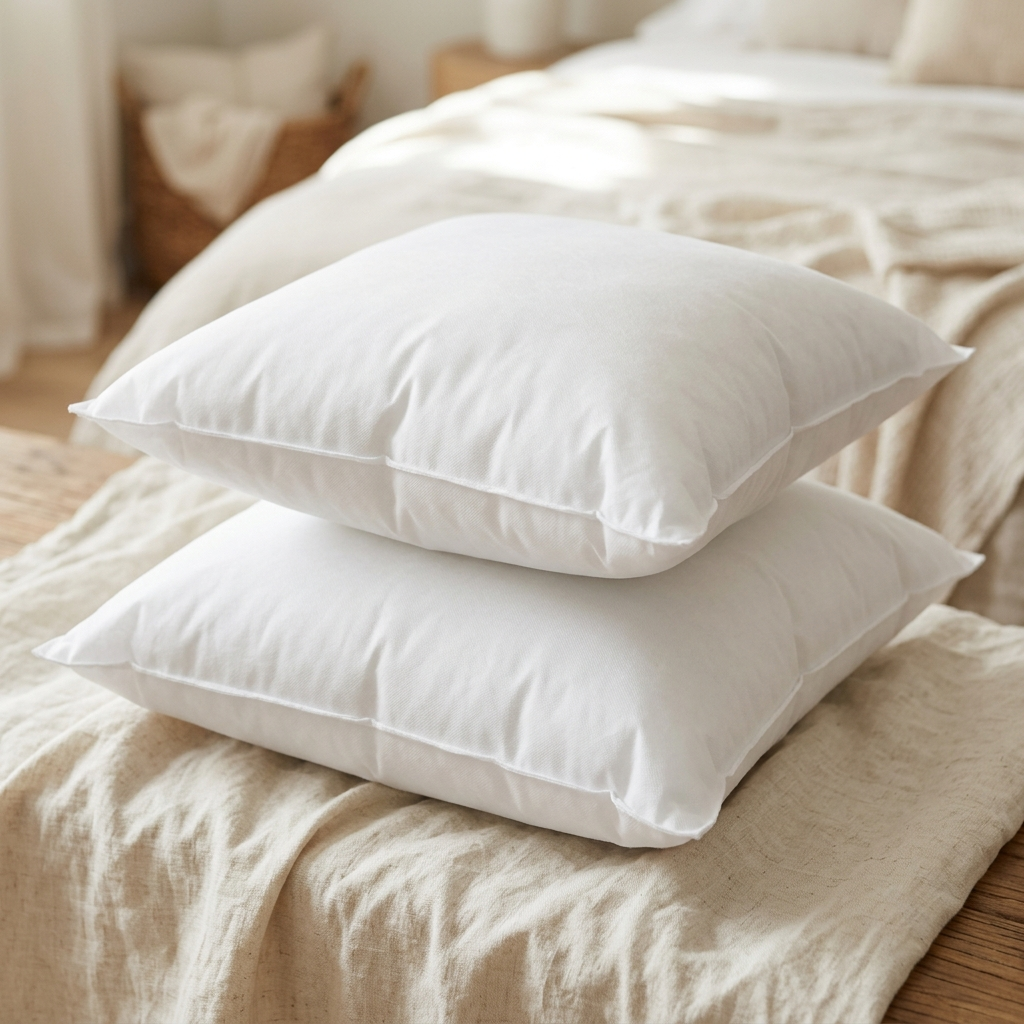
Here is the seasonal rotation trick I have been using for years and that I recommend to everyone: stitch one pillow cover per season and swap them on the same pillow inserts. Winter gets a snowflake or poinsettia design. Spring gets botanicals and birds. Summer gets something bright and cheerful — sunflowers, berries, a cottage garden motif. Autumn gets pumpkins, leaves, acorns. You buy your inserts once, and then you are just swapping covers four times a year. The same sofa or armchair looks completely different in January than it does in October, and it cost you almost nothing beyond the thread and fabric. A set of quality throw pillow inserts 16x16 (find on Amazon) or 18x18 — bought once, used indefinitely — is the practical backbone of the whole system. Look for inserts with a bit of loft to them; a flat, sad insert makes even the most beautiful stitched cover look deflated.
I also want to mention bell pulls, because they are underused and genuinely beautiful. A bell pull is a vertical fabric panel — typically long and narrow — designed to hang on a wall using decorative hardware at the top and bottom. Traditionally they were used to call servants; now they are just elegant vertical decor that fills narrow wall spaces perfectly. A hallway between two doorways, a tall narrow wall beside a window, the space between a door frame and a bookcase — these are spots where a standard framed piece looks awkward and a bell pull looks exactly right. If you stitch any of my long vertical designs, consider finishing them as bell pulls rather than standard frames. Bell pull hardware for needlework comes in antique brass, pewter, and wood finishes, and the right hardware choice elevates the finished piece enormously. For outdoor entertaining spaces, cross-stitch table linens — placemats, a table runner, even embroidered napkin rings — bring the same handmade warmth outside that they bring inside.
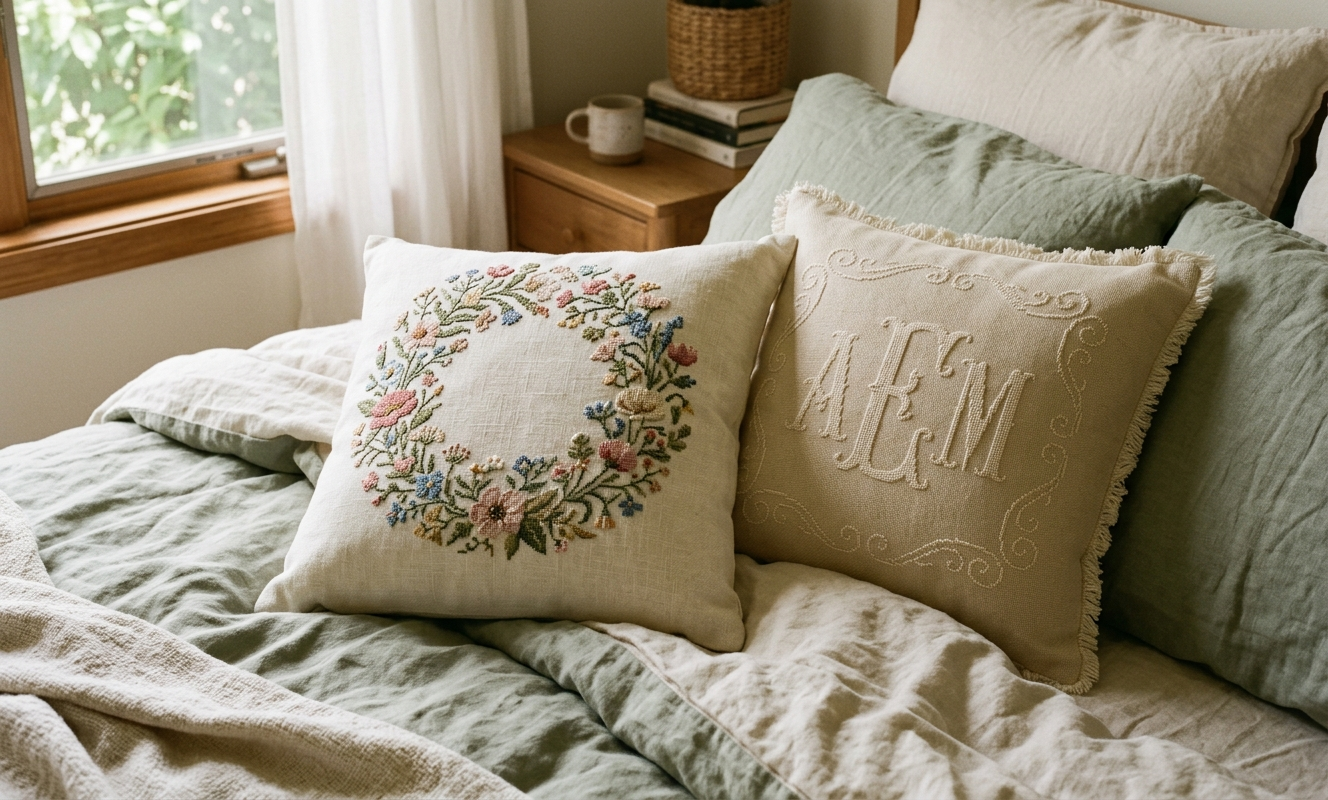
Two cross-stitch throw pillows on linen duvet, floral wreath and monogram designs in soft morning light
The Personal Pieces: The Ones That Become Heirlooms
There is a category of cross-stitch piece that is not really about decorating at all. It is about memory. I have been designing patterns for over twenty years, and I know — because my customers tell me — that some of these pieces end up places that no store-bought print ever could. Above the crib in a nursery, a birth sampler stitched before the baby arrived with a space left open for the name and the date. Above the fireplace, a family surname piece worked in colors chosen to match the house. On the wall of a bedroom that belonged to someone who is no longer living, a small floral piece that was her favorite design, kept exactly where she hung it. These pieces earn their wall space in a way that is simply not available for purchase.
I want to specifically talk about birth announcement samplers and wedding pieces because they come up again and again in conversations with my customers. A birth sampler — stitched by a grandmother, an aunt, a close friend — is one of the few handmade gifts that a new parent will keep for the child's entire childhood and beyond. It is the kind of thing a grown child takes off the wall of their childhood bedroom and hangs in their own first apartment. Wedding pieces have the same staying power. I have had customers tell me that a cross-stitch piece given as a wedding gift is still hanging in the couple's home thirty years later, long after the store-bought gifts have worn out or been donated. If you are thinking about cross-stitch as a gift, I have a full article on cross-stitch gift ideas that gets into the specifics of what to make for whom and how to present it.
One idea I love and that more people should know about: converting a child's artwork into a cross-stitch pattern. A child draws something — a house, a cat, a family portrait in that wonderfully lopsided way children draw — and you can take that drawing and convert it into a cross-stitch pattern using software, then stitch it and frame it. The result is a keepsake that will outlast any refrigerator magnet or laminated placemat by about a century. I have seen this done beautifully and it always stops people cold when they realize what they are looking at: the child's actual lines, the child's actual colors, translated into thread and fabric. If the child is old enough, they can even help choose the thread colors. That piece becomes a collaboration between the child and the maker, and that is something genuinely irreplaceable.
My rule for personal pieces is this: they belong in the rooms where people actually live. Not the formal dining room no one uses except at Thanksgiving. Not the guest room that sits empty for eleven months. The living room where the family gathers. The bedroom where you wake up every morning. The kitchen where everyone ends up no matter how hard you try to keep the party in the other rooms. A favorite Bible verse or a meaningful saying stitched and framed belongs in the room where you will see it every single day, not in a space designed to impress people you do not know very well. The personal pieces deserve the best real estate in your home. Put them where they will be seen and loved and where they will do what they were made to do: remind you, every day, of something that matters.
|
Patterns from the Sunrays Collection Tracey's Picks, designing cross stitch patterns since 2004 |
|||||
|
|||||
| Browse the full Sunrays collection → |

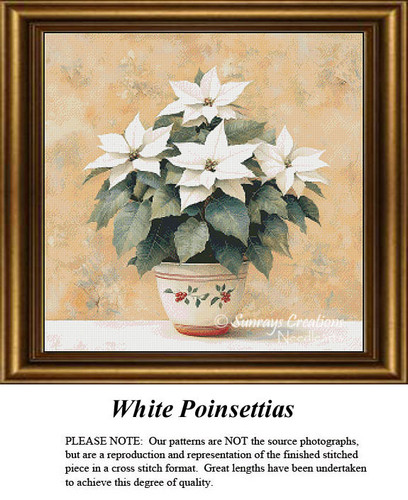

Think Beyond the Frame: Unexpected Cross-Stitch Decor Ideas
Once a piece of fabric is stitched, it can become almost anything — and I mean that literally. The framed wall piece is the obvious destination, but it is far from the only one. One of my favorite unexpected applications is the lampshade. Stitch a design on perforated paper or a fine evenweave fabric and wrap it around a plain drum shade using a thin layer of craft adhesive. When the lamp is on, the light comes through the perforations and the whole thing glows. It is dramatic, it is personal, and it is the kind of thing that makes guests stop and stare because they cannot quite figure out how it was made. An embroidery hoop wall display works similarly — a large hoop hung on a front door with a seasonal piece inside functions beautifully as a wreath alternative and changes out with the seasons.
Cross-stitch clock faces are another project I love to see. A finished cross-stitch panel — typically circular or square — becomes the face of a wall clock using an inexpensive clock movement kit. The hands overlay the stitching and the numbers (if you include them) become part of the design. In a kitchen or a home office, a hand-stitched clock face is a genuinely striking detail. Acrylic tray inserts work on the same principle: stitch a needlepoint-style panel, trim it, slide it under a clear acrylic tray bottom, and suddenly you have a coffee table or bar cart tray that guests inevitably ask about. These are the kinds of projects that make me happiest as a designer — the ones where the stitching is doing double duty, being both art and functional object at the same time.
For large-format impact, quilts and wall hangings are the format of choice. A large cross-stitch or needlework wall hanging — worked on a heavy evenweave or linen, mounted on a wooden dowel, and hung with deliberate intention — can be the anchor piece of an entire room in the way that a large painting would be. It is a significant undertaking, but it produces a result that nothing else in your decorating budget can match. If you want something more graphic and modern to balance traditional cross-stitch pieces, bargello stitch — with its geometric, flame-pattern designs in bold color gradients — produces pillows and wall pieces that look contemporary and striking alongside more traditional needlework. Do not be afraid to mix the two in the same room; the contrast is beautiful.
Seasonal display rotation is something I genuinely practice in my own home, and I think it is one of the best arguments for having a backlog of finished pieces. I rotate pieces through my home the way some people rotate seasonal wreaths or holiday candles. In December, a set of Christmas and winter pieces comes out — some framed, some in hoops, some as pillow covers — and the whole house shifts into the season. After New Year's, the winter botanical pieces come out and the Christmas-specific pieces go back into storage. By the time autumn rolls around, the pumpkin and harvest pieces have been resting for eleven months and they feel fresh and welcome again. It is a system that lets every finished piece get regular time on display and that keeps your home feeling alive and seasonal without requiring a single new purchase. I design every pattern knowing it will end up somewhere in someone's home — on a wall, on a pillow, in a shadow box above a fireplace, or rotating through a family's seasonal collection. That responsibility, and that privilege, is why I have been doing this for over twenty years. If you want to keep all those displayed pieces looking their best for generations, my article on keeping your needlework clean covers everything you need to know about dust, light exposure, humidity, and long-term care.
Get Stitching Tips & New Patterns from Tracey
Honest advice, new Sunrays designs, and occasional VIP-only offers. No fluff.
No spam. Unsubscribe any time.
Tracey Recommends
Quality Throw Pillow Inserts — 16x16 and 18x18
The insert is the backbone of every cross-stitch pillow project and most people do not think about it until their beautiful finished cover looks flat and sad on the sofa. Buy good inserts once. The same inserts work across every seasonal cover you stitch — swap the covers four times a year and your living room gets a fresh look every season for almost no cost. Look for inserts with real loft that hold their shape wash after wash. Your stitching deserves a foundation that keeps it looking plump and polished.
See on AmazonWhether you are hanging your very first finished piece or rearranging a collection that has grown over decades, I hope this guide gives you the confidence to put your work where it belongs — on your walls, on your sofas, on your tables, in your home. Every piece you stitch has earned its place there. If you are looking for a design worth framing, worth finishing into a pillow, or worth stitching as a gift that will last a lifetime, come browse the patterns at Sunrays Creations — I design every single one with exactly that in mind.
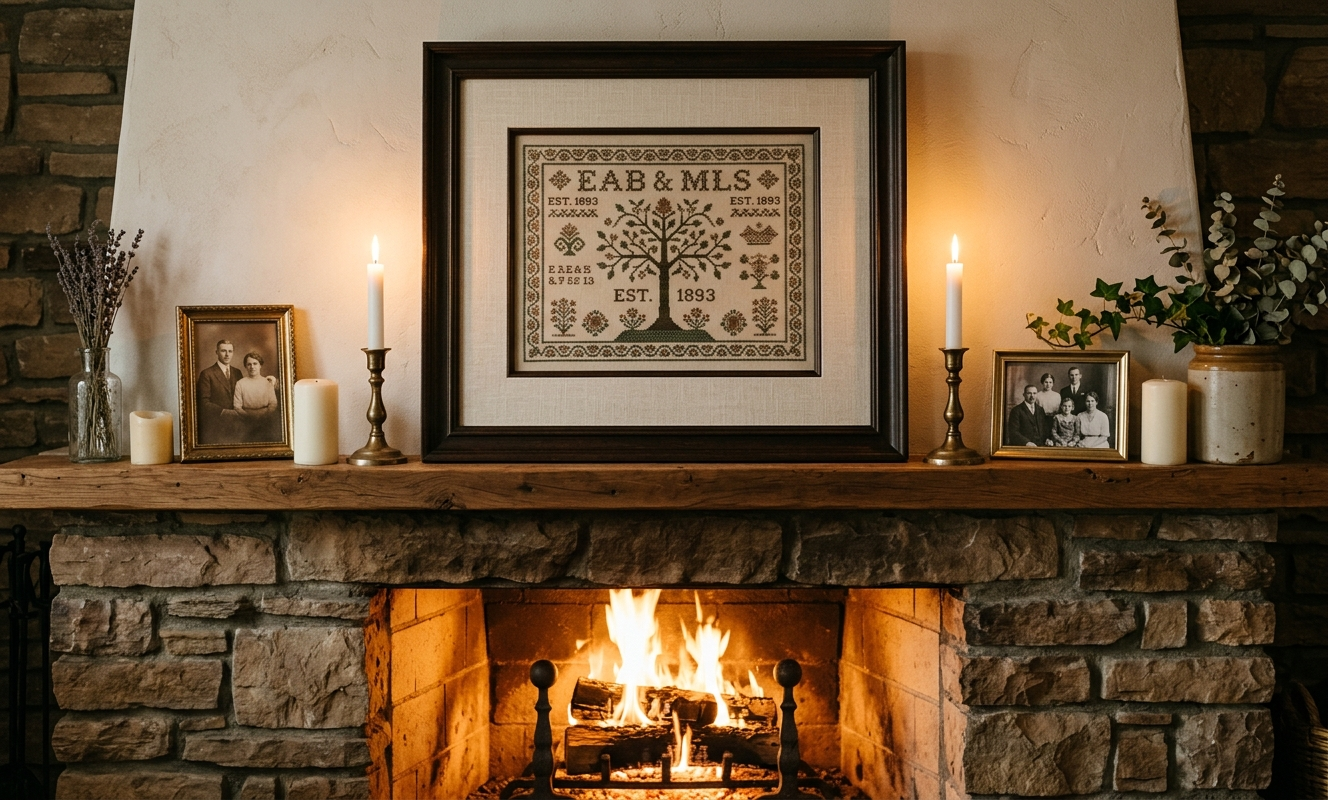
Heirloom cross-stitch sampler in deep shadow box frame above stone fireplace flanked by candles and family photos
Keep Reading
How to Frame Cross-Stitch Projects
Get a full step-by-step guide to framing your finished work beautifully — stretching, glass choice, archival backing, and everything in between.
READ THE GUIDEKeeping Your Needlework Clean
Home display raises real questions about dust, light exposure, and humidity. This guide answers all of them so your pieces stay beautiful for generations.
READ THE GUIDECross-Stitch Gift Ideas
A stitched piece is the best gift imaginable — but which designs work best for weddings, babies, and birthdays? This guide has the answers.
READ THE ARTICLEFrequently Asked Questions
What is grandmillennial style and how does cross-stitch fit into it?
Grandmillennial style is a return to the maximalist, sentimental, handmade aesthetic of previous generations — and cross-stitch is central to it. The body section on statement pieces covers this in full, including why cross-stitch never needed a trend to justify its beauty.
How should I frame cross-stitch for display on a wall?
For flat pieces, a mat-and-frame combination matched to your room's palette works beautifully; for dimensional or beaded pieces, use a deep shadow box. The framing section covers mat choices, hoop framing, and the floor-arrangement tip in detail.
What size pillow insert do I need for a cross-stitch throw pillow?
A 16x16 or 18x18 insert works for most standard cross-stitch pillow panels. The pillow section explains why buying quality inserts once and swapping seasonal covers is the most practical approach.
Can I convert my child's drawing into a cross-stitch pattern?
Yes — pattern-conversion software lets you turn a child's artwork into a stitchable chart. The heirloom section covers this idea, including how to involve the child in choosing thread colors.
What are some unusual ways to display or use finished cross-stitch beyond wall frames?
Lampshades, clock faces, acrylic tray inserts, bell pulls, and seasonal hoop wreaths for the front door are all covered in the final section on unexpected cross-stitch décor ideas.
How do I keep framed cross-stitch clean when it is on display in my home?
Dust, light exposure, and humidity all affect displayed needlework over time. The closing section points to a dedicated guide on keeping your needlework clean that covers long-term care in full.
-- Tracey Kramer
Founder & Designer, Sunrays Creations Needlearts
Hand-charted designs since 2004 • Marysville, Ohio